Ndustry information
Precision Mold Core Processing – The Foundation of High-Quality Molding Production
Precision Mold Core Processing – The Foundation of High-Quality Molding Production
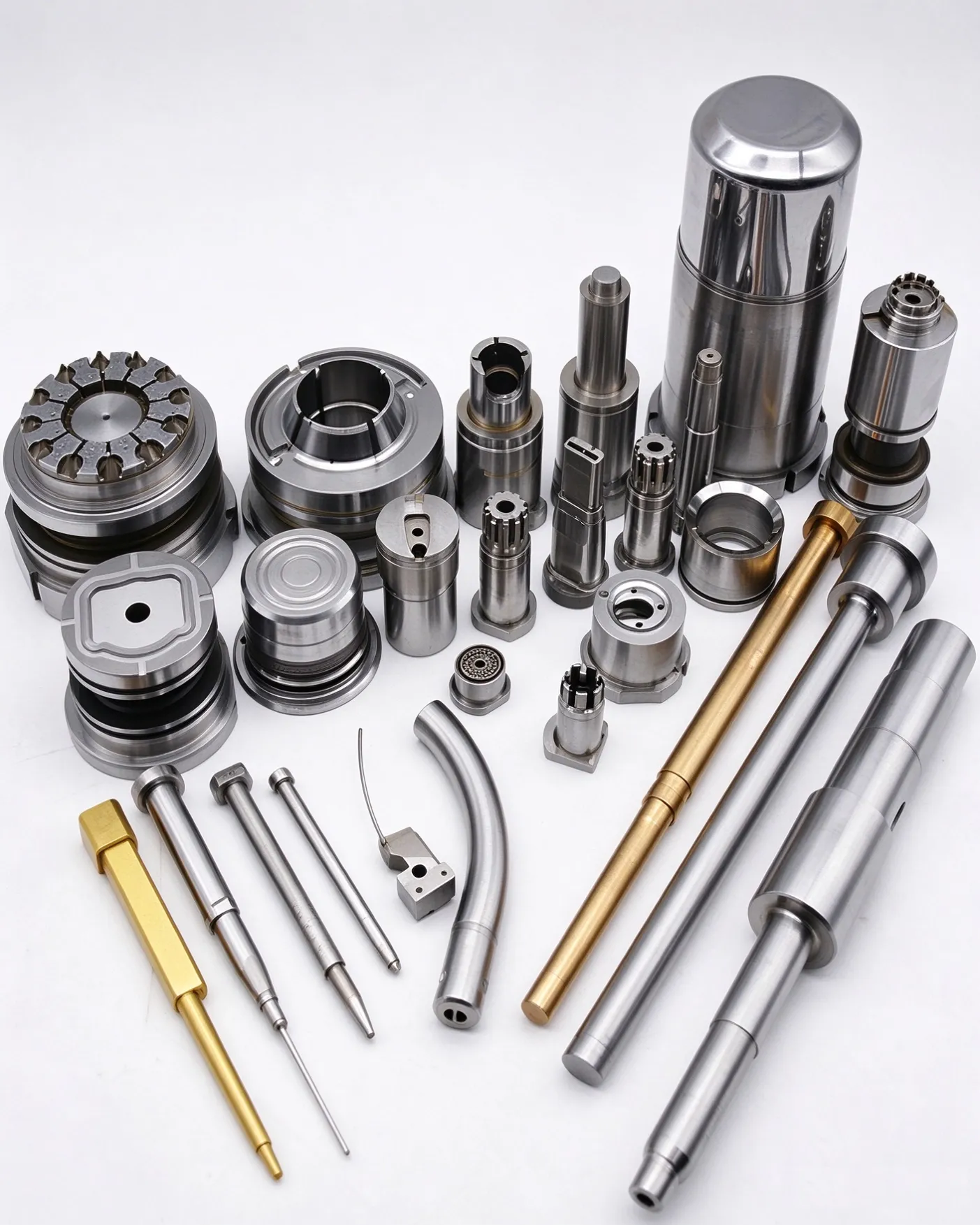
When an injection mold leaks flash, warps, or ejects short shots, buyers usually blame the molding process. More often, the root cause sits in the precision mold core and the mating cavity inserts. A core machined to ±0.01 mm instead of the required ±0.002 mm can quietly raise the reject rate from under 0.5% to above 5%, and the difference only shows up after tens of thousands of shots.
1. Tolerance stack-up is the silent cost driver
A mold is not a single part—it is a stack of cores, cavities, sliders, inserts, guide pins and wear plates. Each component carries its own deviation, and those deviations add up. When your precision mold parts are held to ±0.005 mm on critical fits, the stack-up stays inside the design envelope; when they are held to ±0.02 mm, every dimension drifts toward the worst-case corner. The result is uneven wall thickness, mismatched parting lines, and short mold life.
2. Mirror EDM and high-speed CNC remove the "human hand" from critical surfaces
Modern mold insert machining no longer relies on hand polishing. Five-axis high-speed milling, sinker EDM with graphite electrodes, and mirror-finish EDM together hold Ra 0.02–0.05 μm on sealing faces and ±1–2 μm on form features. That level of repeatability is what lets a 3C connector mold run 500,000 shots without visible flash on a Type-C shell.
3. CMM and optical inspection close the loop before the mold ships
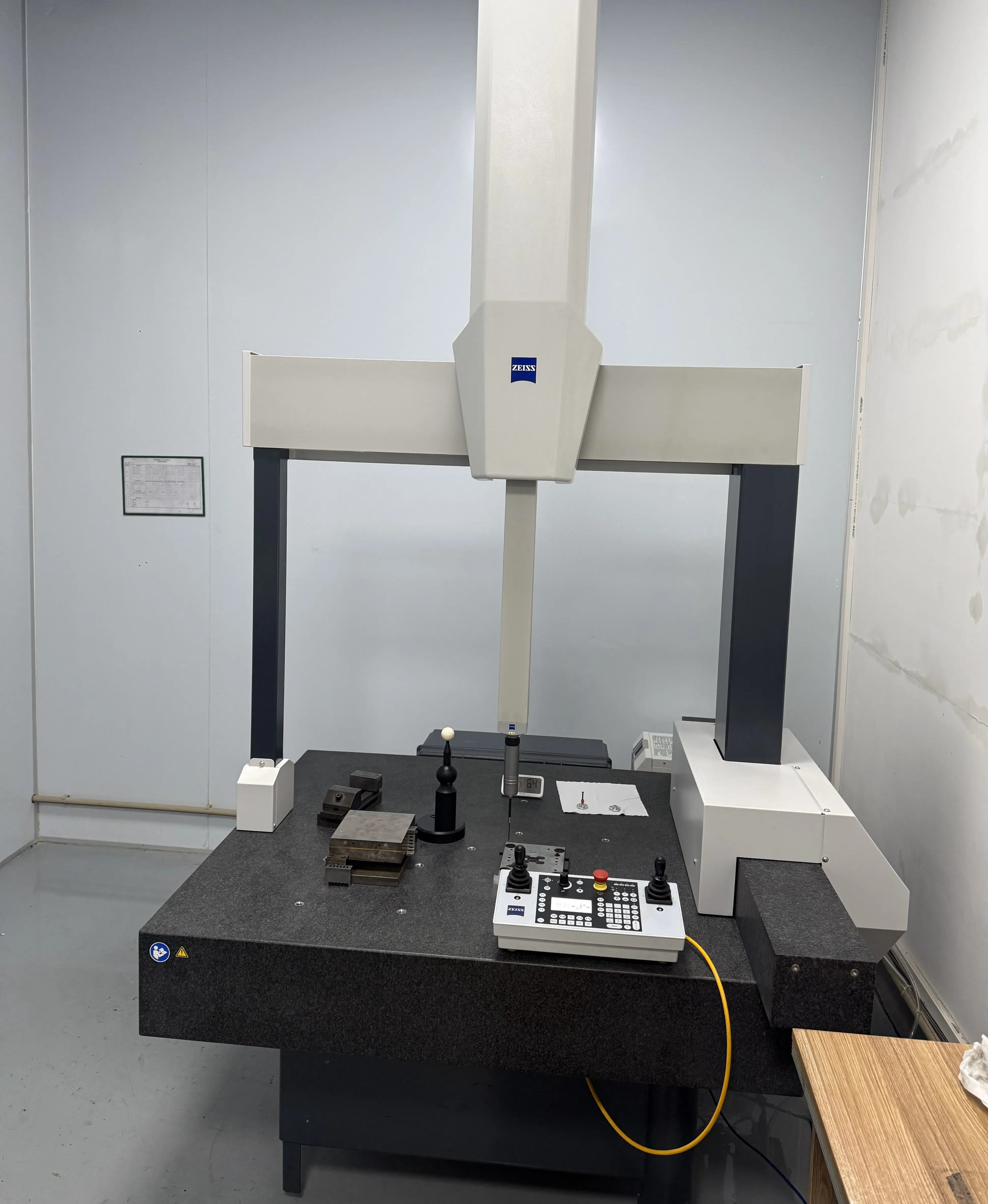
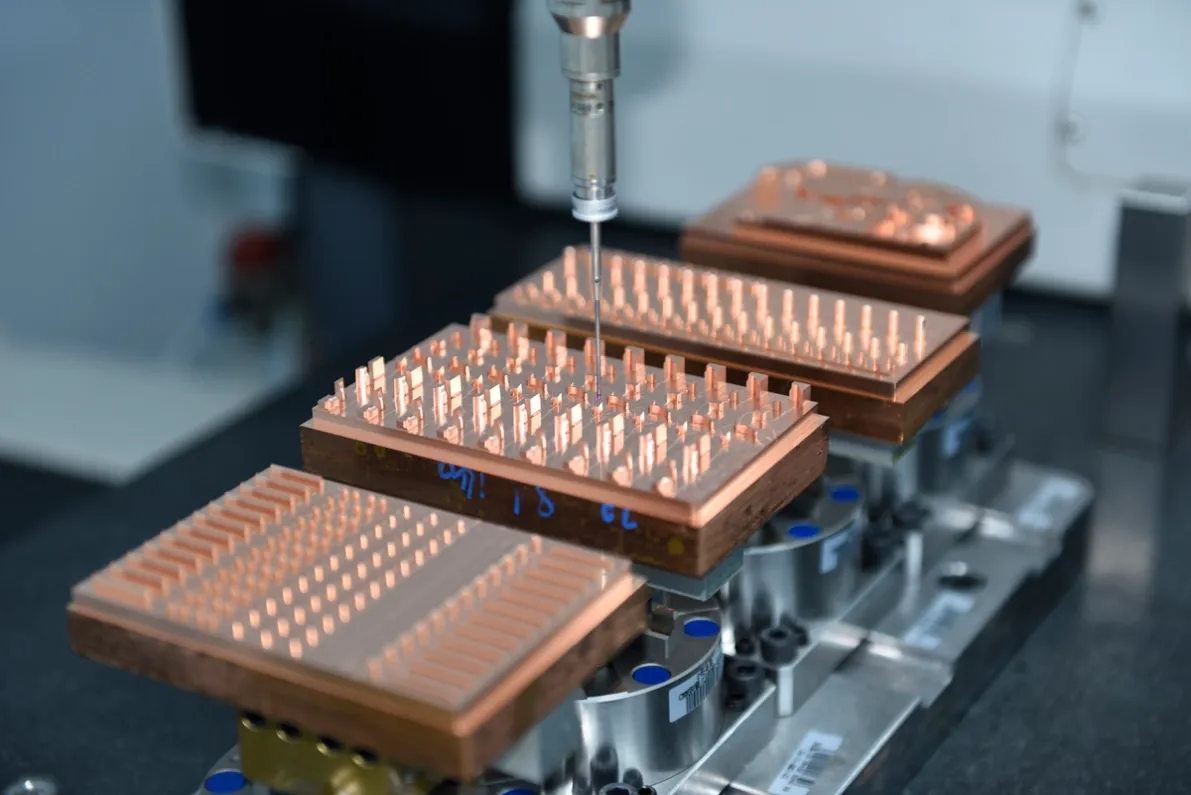
True precision is only real if it is measured. Every critical core and insert should be inspected on a coordinate measuring machine (CMM) or a vision system, with a first-article report (FAI) attached to the shipping package. Buyers should ask for: dimension-by-dimension measured values, nominal vs. actual deviation, and surface roughness certificates. A supplier that cannot produce this paperwork is implicitly telling you they are guessing on tolerance.
4. Tight tolerance is cheaper than rework
Many buyers choose a cheaper precision mold core supplier to save 10–15% on tooling cost. But a single mold trial that requires re-cutting the parting line, re-hardening an insert, or replacing a slider can cost more than the entire tooling quote—and delays the launch by two to four weeks. Machining to the correct tolerance the first time is the lowest-cost option on the balance sheet, not the highest.Bottom line: Specify tolerance on every critical fit, demand FAI reports, and treat ±0.005 mm as the baseline—not the luxury—for high-precision molds.