Ndustry information
Material Selection and Heat Treatment: The Hidden Deciding Factor Behind Mold Core Lifespan
Material Selection and Heat Treatment: The Hidden Deciding Factor Behind Mold Core Lifespan
Two molds can look identical on the drawing. One runs 300,000 shots with zero maintenance, the other shows wear lines and corrosion after 50,000. The difference is almost always in the mold steel and the way it was heat-treated.
1. Match steel to the plastic, not to the price list
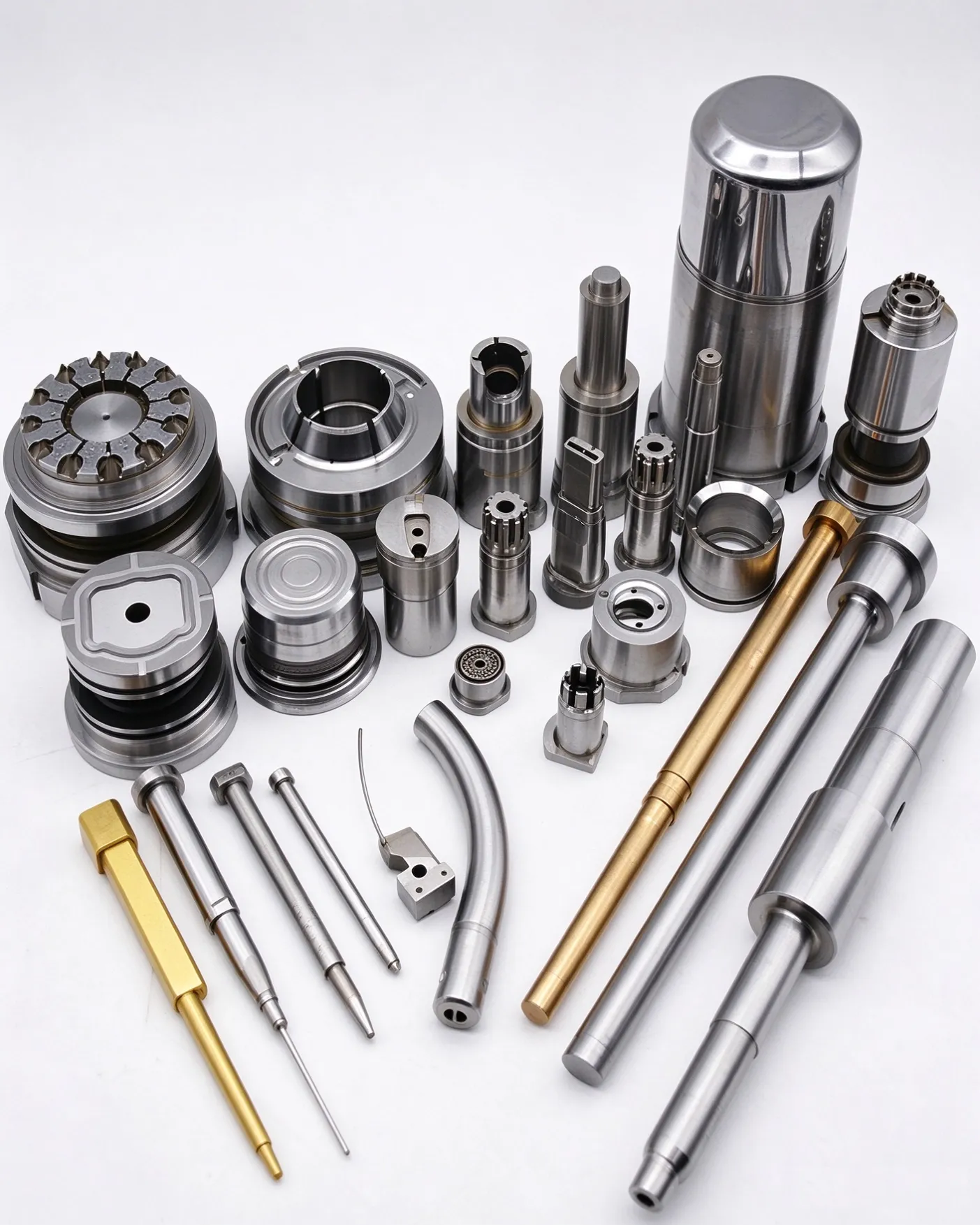
For everyday engineering plastics (ABS, PP, PE), pre-hardened P20 or 718H is a sensible choice. For glass-filled or flame-retardant materials that are abrasive and corrosive, you need stainless or tool steel—S136, STAVAX, SUS420, or SKD11. For optical lenses and cosmetic parts, S136 with premium polishing is the standard. Buying a cheap precision mold parts supplier that always quotes P20 is a leading indicator of premature wear.
2. Hardness must be uniform, not just high
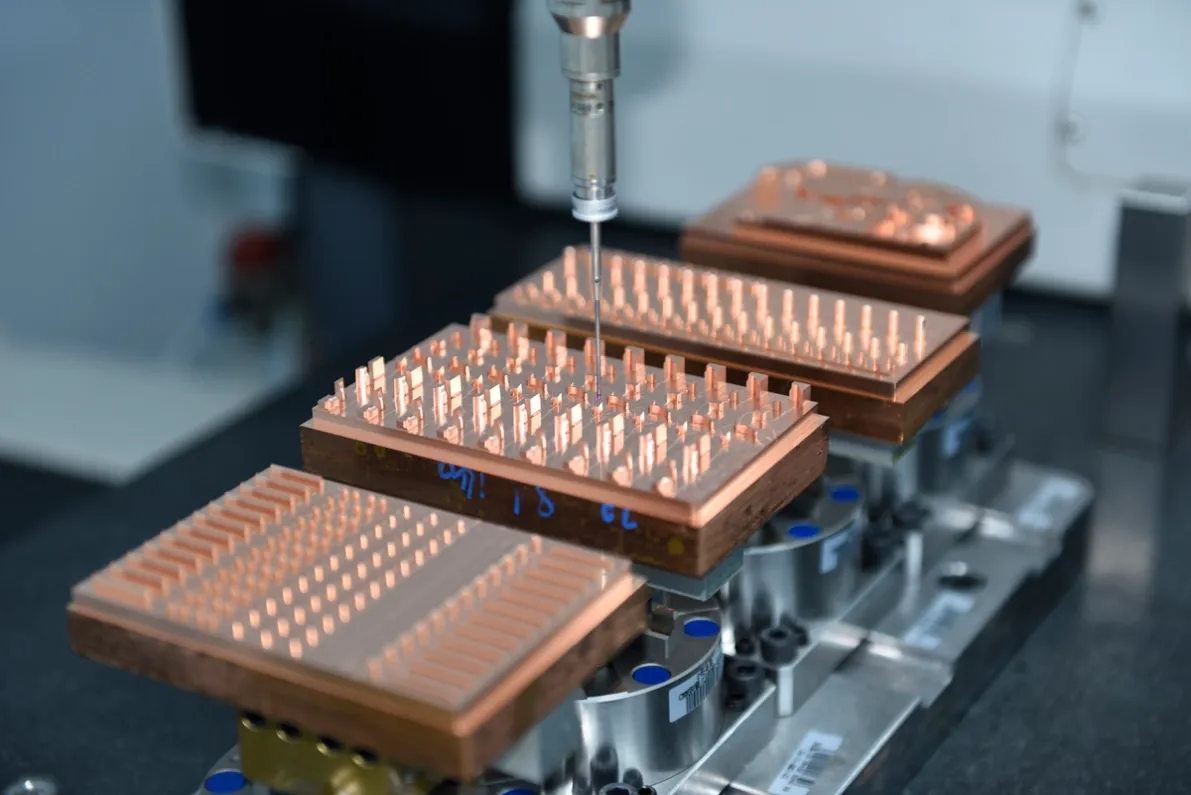
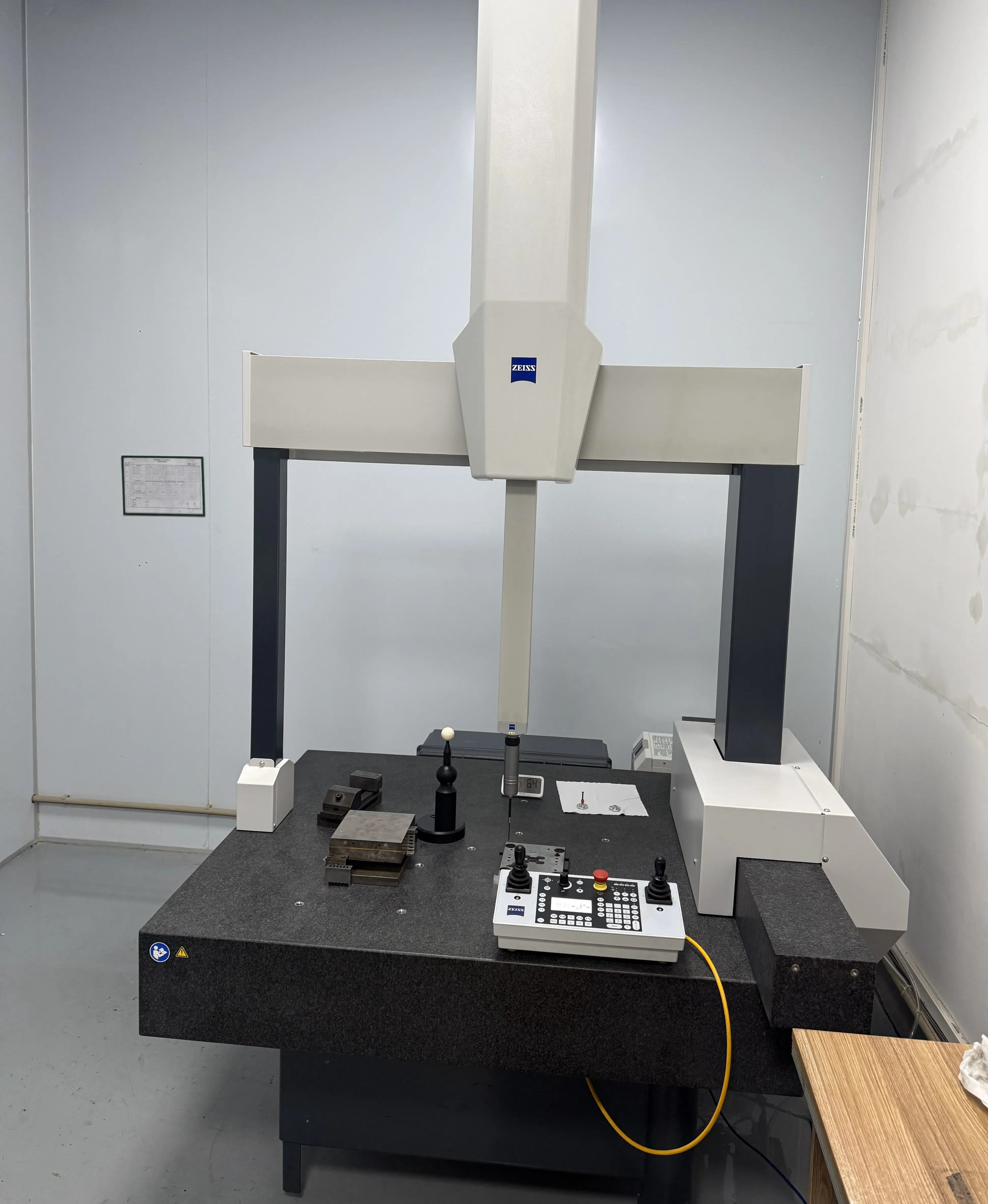
A core hardened to HRC 48–52 sounds good on paper. What matters is the hardness distribution across the part. Induction hardening, vacuum hardening, and cryogenic treatment each produce different depth profiles and distortion levels. A good supplier will show you a hardness curve, not just a single Rockwell reading on a coupon. For thin-walled inserts, distortion control during quenching is what decides whether the part survives final grinding.
3. Surface treatment extends life by 2–5× on sliding and sealing surfaces
Even the best steel benefits from the right coating. TiN, TiCN, AlTiN and DLC PVD coatings reduce release force and prevent galling on sliders and lifters; nitriding increases core hardness to depths where repeated ejection friction occurs. For medical and optical molds, electropolishing and passivation remove micro-stress and improve corrosion resistance. These steps are not optional add-ons—they are the reason a tooling program stays inside its budget.
4. Traceability is a procurement requirement
Ask for mill certificates (MTC) for every steel block, heat-treatment batch records, and coating certificates. When a precision mold core fails mid-production, traceability is what lets you isolate whether the problem is the steel lot, the heat treat, or the machining. Without it, every future failure becomes an argument, not an engineering fix.Bottom line: Steel grade, hardness curve, surface treatment and traceability are not technical details—they are the variables that decide whether your tooling cost is amortized over 100k shots or 1 million shots.