Ndustry information
How a Reliable Precision Mold Parts Vendor Cuts Your Lead Time From 6 Weeks to 12 Days
In consumer electronics, a product launch window can close before the mold does. Buyers routinely ask for a quote, then ask again "can you move faster?" The answer depends less on overtime and more on how the precision mold parts machining workflow is organized.
1. DFM feedback before the drawing is released
The fastest suppliers are the ones that stop delays before they start. Within 24 hours of receiving a model, a strong vendor sends back a DFM (design-for-manufacturing) report: draft angle issues, rib-to-wall ratios, parting-line recommendations, and features that are hard to EDM. Catching these in the quoting stage saves one to two weeks of trial-and-error after steel is cut.
2. In-house CNC + EDM + grinding means no outsourcing queue
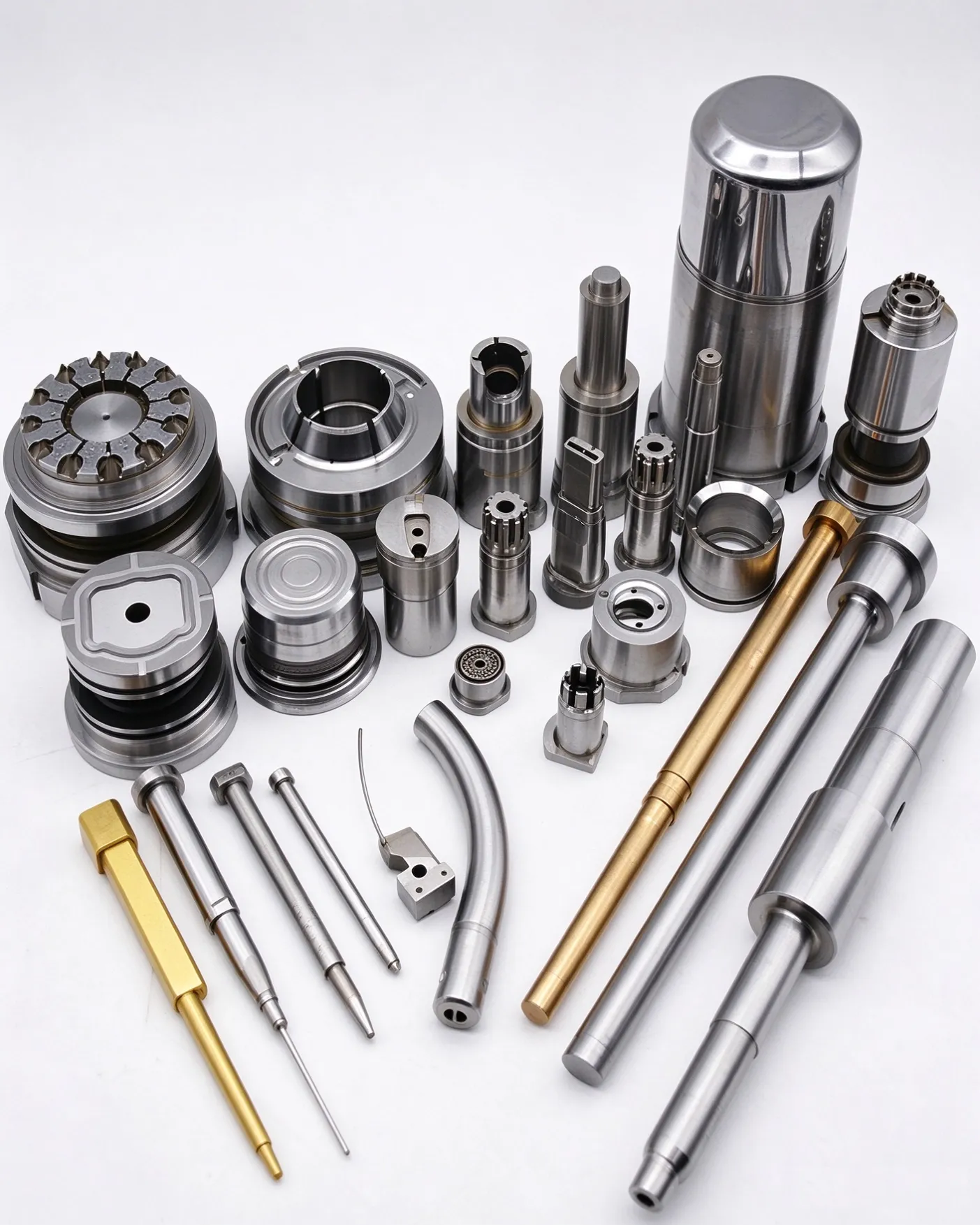
The longest delay in mold making is waiting. When a shop has to outsource heat treatment, surface grinding, or wire-cut EDM, the part spends more time on a truck than on a machine. A vertically integrated mold insert machining line—CNC milling, sinker EDM, wire EDM, surface grinding, polishing and inspection under one roof—can move a core from raw block to finished insert in days, not weeks.
3. Standardized inspection checklists reduce trial cycles
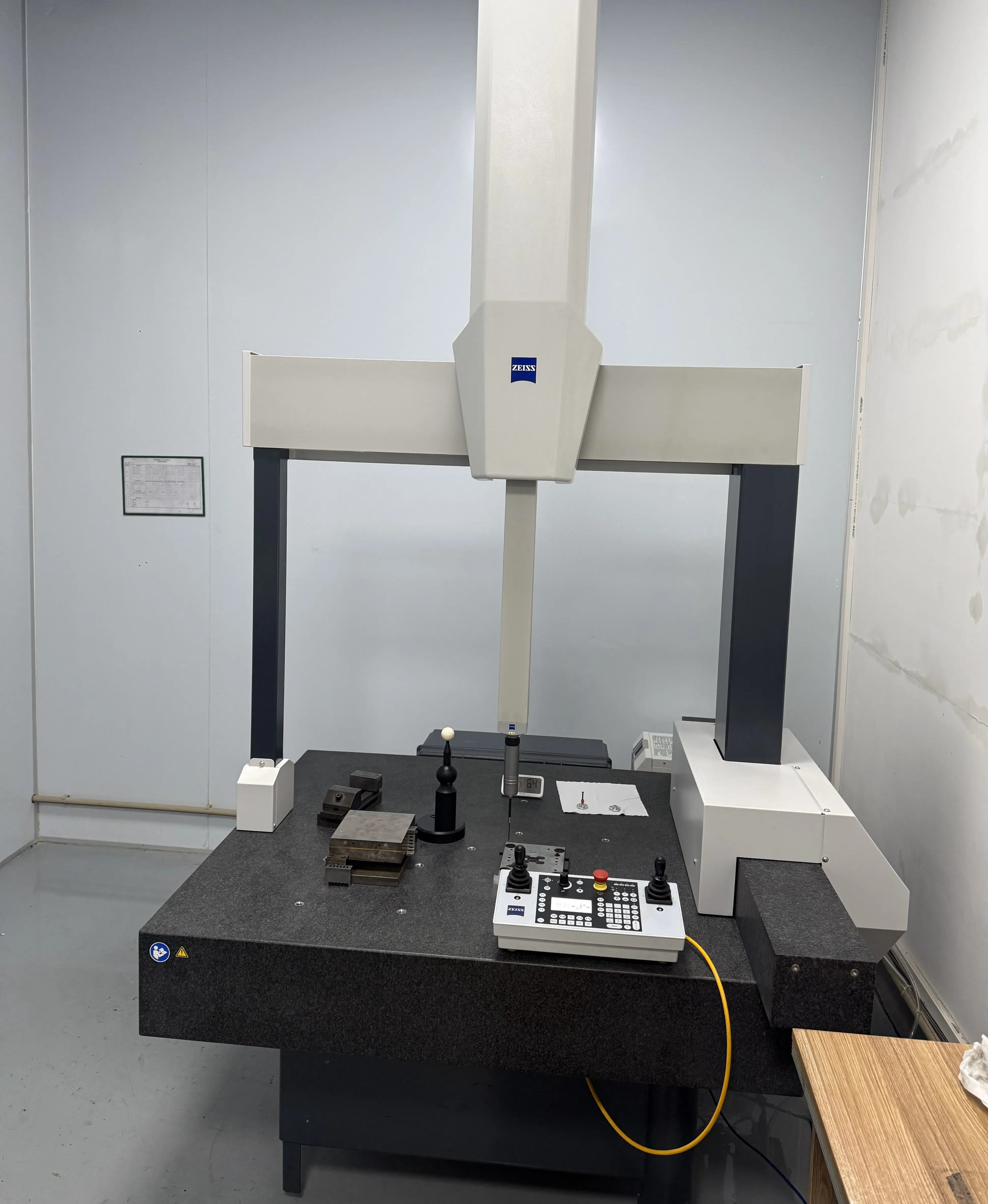
Every extra mold trial costs two to five days. The way to reduce trials is to inspect aggressively before assembly: CMM on every critical dimension, gap inspection on mating surfaces, fit check of sliders. A disciplined inspection routine is why some vendors need 1–2 trials and others need 5–6.
4. Transparent project scheduling protects your launch date
Ask for a weekly schedule update: steel purchased, roughing done, semi-finish done, heat treat back, finish machining, polishing, assembly, T0. A vendor that only gives you a final date is hiding uncertainty. A vendor that shows you the live milestones is also showing you where to absorb delay if a dimension needs rework.Bottom line: Short lead time is not a promise—it is the output of DFM, in-house capability, inspection discipline, and visible scheduling. When you evaluate a supplier, ask for their last three on-time delivery records, not just their average lead time.